
Following the cool, wet springs in New Jersey, brown spots on oak leaves start showing by midsummer. This includes irregular blotches along the veins, curled leaf edges, and healthy-looking foliage falling onto the lawn. On mature oaks entrenched in so many Short Hills yards, symptoms are often most noticeable on lower and interior branches, making them relatively easy to spot from the ground.
Although midsummer leaf drop can seem like the start of decline, it usually isn’t. Most of the time, it’s a cosmetic issue the oak recovers from on its own. What matters is recognizing when those symptoms are typical seasonal stress and when they point to a problem that needs a closer look.
Key Takeaways
- Brown blotches, especially dead areas along or between the veins, combined with cupping, curling and early leaf drop after a cool, wet spring, are consistent with oak anthracnose.
- A crown that’s still full and green up top is a good sign your oak’s overall health is doing well.
- Established oaks often recover from anthracnose, and severely defoliated trees may produce a second flush of leaves.
- An arborist assessment is the reliable way to confirm whether the cause is harmless or something worth watching, such as bacterial leaf scorch.
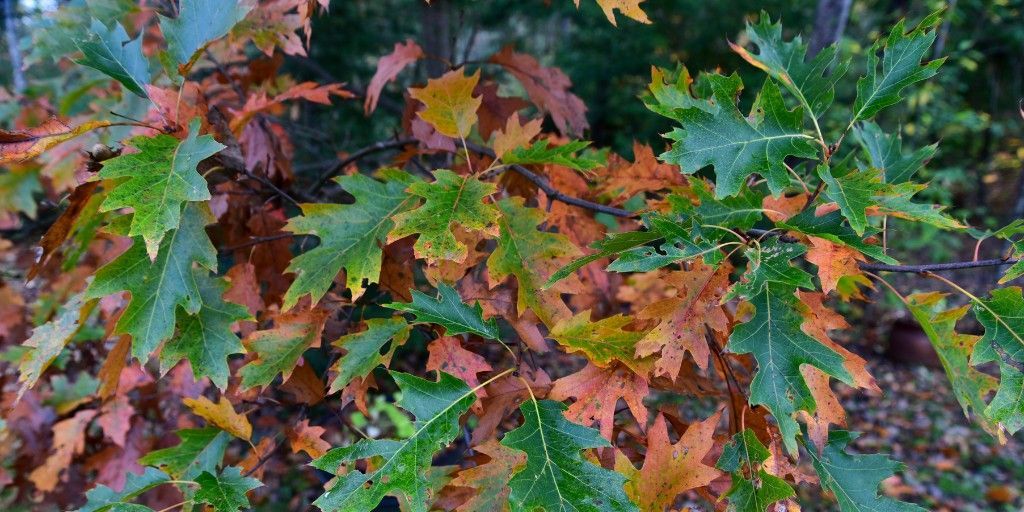
When browning appears on only some leaves while others nearby stay green, the cause is usually a leaf fungus like oak anthracnose rather than a dying tree.
Why Is My Oak Turning Brown and Dropping Leaves?
If your oak develops brown or blotchy leaves followed by early leaf drop in midsummer, oak anthracnose is one common cause, especially after a cool, wet spring. The fungal disease infects young leaves when spring temperatures are typically around 50 to 68°F, but symptoms often become much more noticeable later in the season.
What Does Oak Anthracnose Look Like?
Oak anthracnose typically causes irregular brown patches that follow the veins of the leaf, rather than browning the entire leaf evenly. Other common signs include:
- Tan or brown blotches along the leaf veins and midrib, often with healthy green tissue remaining between them
- Dry, papery areas where affected leaf tissue has died
- Leaves that curl, cup, or become distorted
- Premature leaf drop when the infection is more severe
- More noticeable damage on lower and interior branches, where moisture tends to linger
- A relatively full, green upper canopy, which can indicate the tree’s overall health remains good despite the damaged leaves
Will Oak Anthracnose Kill My Tree?
Oak anthracnose rarely kills an otherwise healthy, mature oak. While the brown leaves and early leaf drop can look severe, a healthy tree can usually tolerate a single season of anthracnose without lasting damage.
The bigger concern is severe defoliation that happens year after year. Repeated leaf loss forces the tree to use stored energy to replace foliage, which can gradually weaken it and make it less resilient to drought, pests, and other stressors. If your oak has significant leaf loss for several consecutive years, it’s worth having the tree evaluated rather than assuming anthracnose is only a cosmetic problem.
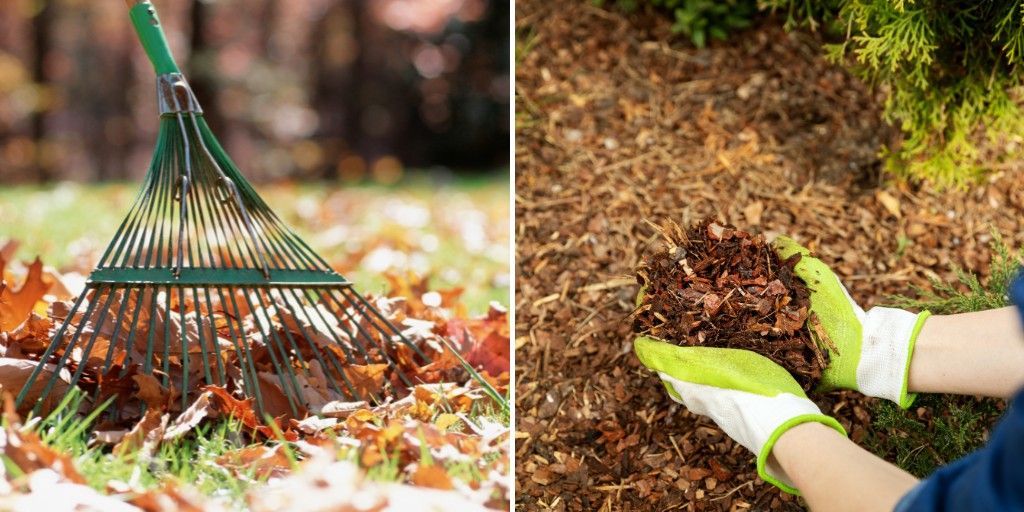
Raking fallen leaves can reduce the fungal material left to overwinter, while proper mulching and watering help keep the oak healthy enough to recover from anthracnose.
How Can You Tell Oak Anthracnose from a More Serious Tree Problem?
In the summer, there are a few look-alikes that mimic anthracnose, and the one really worth knowing is bacterial leaf scorch. It shows up in different ways you can spot:
- The browning starts at the leaf margins and works inward, instead of following the veins.
- A yellow or reddish band often separates the brown edge from the green center.
- It appears later in summer, around August, and comes back a little worse each year.
Blotches following a leaf’s veins after a wet spring point to anthracnose, while margin-first browning that shows up late and returns every year points toward scorch. Since they overlap, a professional assessment and lab test are what can confirm which one your tree is struggling with.
How Does an Arborist Confirm What’s Affecting Your Oak?
An arborist reads the leaf pattern against the entire tree, its age and vigor, the growing conditions on your property, and the timing of the damage. Then, they’ll run or interpret the lab test. The test sends a leaf or petiole sample to a diagnostic lab.
What Should I Do If My Oak Has Brown Leaves?
If your oak has brown leaves, focus on supporting the tree and avoiding unnecessary treatments while you determine what’s causing the discoloration. Here’s what to do:
- Keep the tree watered during dry weather. Deep watering helps reduce additional stress while the oak is dealing with leaf damage.
- Leave affected branches alone unless they’re dead or hazardous. Brown or spotted leaves don’t necessarily mean the branch itself is dying, so avoid heavy summer pruning based on leaf appearance alone.
- Don’t fertilize just because the leaves are brown. Fertilizer won’t correct anthracnose or other leaf damage and may not be appropriate without knowing what’s causing the symptoms.
- Don’t treat existing leaf spots with fungicide. Fungicides are preventive and won’t repair leaves that are already infected.
- Watch the rest of the canopy. If the upper canopy remains full and green, the tree may only need supportive care and monitoring through the rest of the season.
- Have the tree evaluated if decline extends beyond the leaves. Canopy thinning, dead branches, repeated early leaf drop, or symptoms that worsen from year to year can indicate a problem beyond a temporary foliar disease.
How to Protect Your Oak Trees Going Forward
The best long-term defense for your oaks is simple and preventive:
- Rake up and remove fallen leaves each autumn, since the fungus overwinters in old litter and splashes back up the following spring.
- Have a dense, crowded canopy thinned during the dormant season, since better air movement dries the leaves faster and gives the fungus less chance to take hold.
- Watch the tree from year to year, so a familiar, harmless flare-up is easy to recognize the moment it starts to look like something else.
Frequently Asked Questions About Brown Spots on Oak Leaves
Will next spring’s leaves come in normal after this?
Usually, yes. An otherwise healthy oak that loses leaves to anthracnose can typically produce a normal canopy the following spring. However, anthracnose can return if the next spring is cool and wet enough for another infection, so new symptoms don’t necessarily mean the tree failed to recover from the previous year.
Can I compost the leaves I rake up?
Composting is fine, as long as the pile isn’t sitting right under the tree. The point of clearing the leaves is to move them away from the canopy, so a bin or a pile elsewhere in the yard works just as well as bagging them for the trash.
Will oak anthracnose spread to my other oaks?
Not in a way you can stop, and not in a way that should worry you. When several oaks brown in the same summer, it’s because the same wet spring set each of them up on its own, not because one infected the next. There’s nothing to quarantine, and healthy oaks nearby don’t need treating.
Is oak anthracnose dangerous to be around?
No. It’s a leaf disease of trees, not something that affects people, pets, or other garden plants. The fallen leaves are safe to rake, bag, or compost, and there’s no health reason to keep anyone away from an affected oak.
Is it safe to plant new oaks if this keeps happening?
Yes. Anthracnose is driven by spring weather, not by anything wrong with your soil or your existing trees, so it’s no reason to switch species. Oaks remain among the best long-term trees for New Jersey yards. Give a new one a well-drained spot and start with healthy nursery stock, and it’ll have the vigor to ride out the occasional wet-spring flare-up.
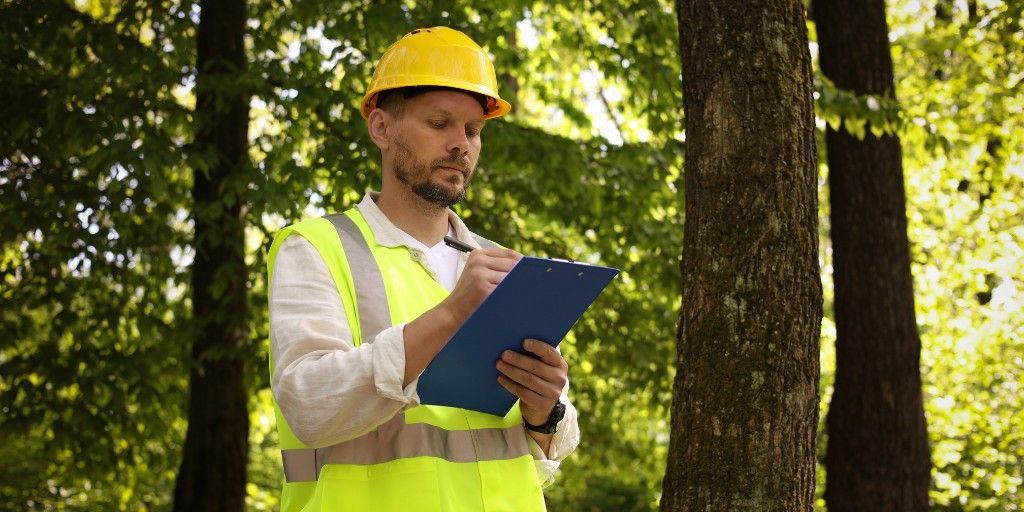
An ISA Certified Arborist can assess browning oak leaves and determine whether the tree is dealing with a temporary leaf disease or a more serious problem like bacterial leaf scorch.
Call Alpine Tree to Assess the Brown Spots on Your Oak
Alpine Tree’s ISA Certified Arborists, backed by TCIA accreditation, care for oaks across Short Hills and the surrounding Morris, Essex, Union, and Somerset counties. If your oaks are showing brown spots this summer, get an arborist assessment and we’ll confirm what’s going on and whether anything needs to be done. Request an appointment or call us at 973-437-3542 today to get on our schedule.
Table of Contents
Add a header to begin generating the table of contents


